

Commentary
Will Raising Retirement Plan Limits Really Help Rank-And-File Employees?

Conflicting economic priorities create a problem legislation cannot solve merely by adjusting a number in the tax code. Increasing contribution capacity will not revive a benefit structure that no longer fits the decisions employers and employees actually make.
What Advice Would The Founding Fathers Give On Saving For Retirement?
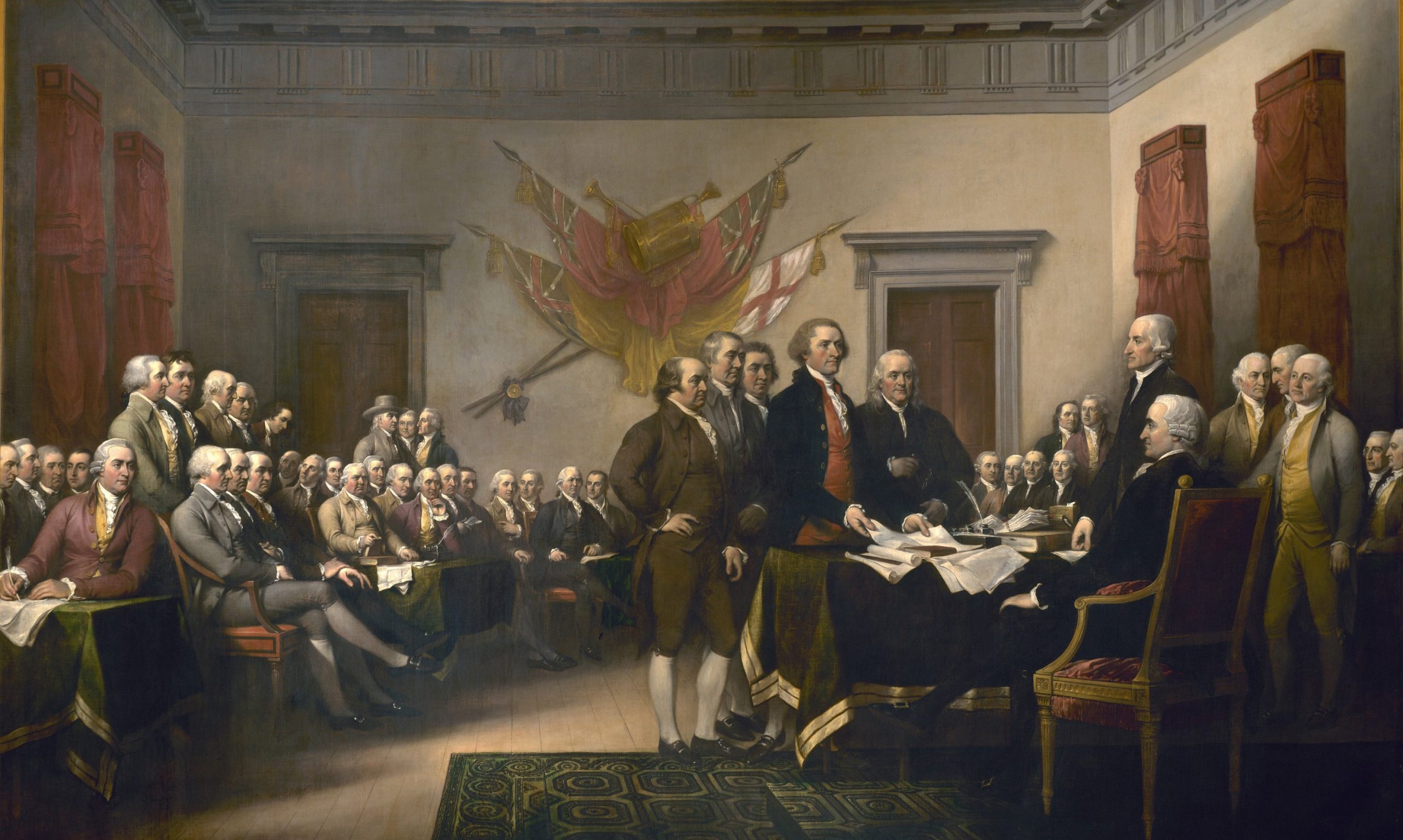
The retirement system itself has undergone a revolution. The Congress that oversees retirement policy today would have been unrecognizable to the men who signed the Declaration of Independence. ERISA, enacted in 1974, created a comprehensive fiduciary framework that would have been unimaginable to Franklin, Washington, Jefferson, or Hamilton.
What The $955 Retirement Savings Headline Gets Wrong (And Why Fiduciaries Should Care)

The $955 retirement savings headline sparked national alarm, but fiduciaries must look beyond shock value to understand what the data truly reveals and how to respond.
What Happens When Everyone Starts Caring About Their 401k?

The long bull market has masked serious risk in target-date funds near retirement. When the next correction hits, participants who thought they were “protected” will wake up—angry—and demand change.
Why Doesn’t Anyone Care About Their 401k Anymore?

When participants assume alignment without verification, problems remain hidden until they are too large to ignore. Misalignment doesn’t announce itself—it compounds quietly, year after year.
401k New Year Opportunities
The calendar flipped to 2026, and with it came a fresh crop of 401k new year opportunities. Will this be the year 403(b) plans finally shed legacy costs, SECURE 2.0 provisions hit their stride, and markets remind participants that risk never really sleeps?
401k Christmas Wish List

Viewed through that lens, a 401k Christmas wish list isn’t just about outcomes, but about predictability. A stable rulebook can make it easier to design, monitor, and maintain plans that work in practice as well as on paper.
5 Underreported 401k Stories From The Summer Of 2025

Not all impactful changes come from courtrooms or market forecasts. Sometimes the quietest adjustments happen in the administrative framework of retirement plans. This summer, two such moves stood out as underreported 401k stories that carry both promise and peril for fiduciaries.
Community Links

Tags
Disclaimer
The materials at this web site are maintained for the sole purpose of providing general information about fiduciary law, tax accounting and investments and do not under any circumstances constitute legal, accounting or investment advice. You should not act or refrain from acting based on these materials without first obtaining the advice of an appropriate professional. Please carefully read the terms and conditions for using this site. This website contains links to third-party websites. We are not responsible for, and make no representations or endorsements with respect to, third-party websites, or with respect to any information, products or services that may be provided by or through such websites.