











That does not necessarily mean fiduciaries should expect a wave of new regulations. Existing direction may already point fiduciaries toward the safeguards regulators expect them to implement.
Tag "Cybersecurity"

Plan sponsors are more likely to stay with—and recommend—a provider that demonstrates a clear commitment to safeguarding accounts against evolving threats.

But good habits alone aren’t enough. As cyber threats evolve, fiduciaries must look ahead—promoting cutting-edge tools that can outpace tomorrow’s attackers.

The moments immediately following the detection of a cyber incident are crucial. Prompt containment limits damage, prevents data loss, and fortifies plan stability. A rapid protocol turns confusion into control, helping fiduciaries avoid ERISA liability and maintain operational stability.

Breaches hit fast. Fiduciaries must be ready to act. A documented incident response plan—including who to notify, how to contain the breach, and when to report it—is vital for 401k cyber protection. It demonstrates prudence and minimizes chaos.
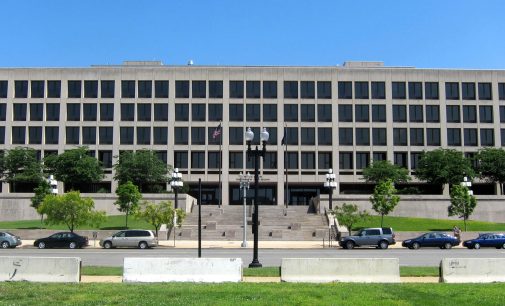
Fiduciaries can no longer afford to treat cybersecurity as an IT department concern alone. In a world where digital breaches can wipe out savings, destroy trust, and invite costly lawsuits, cybersecurity has become inseparable from prudent plan management—and at least an implied fiduciary duty under ERISA.

While phishing and credential theft dominate headlines, cybercriminals deploy increasingly complex methods that target every layer of the 401k ecosystem.

Just as these changes come bearing down, so, too, does a need for greater hand holding. Pressures within the provider industry, however, appear to be reducing the number of available hands.

“Perhaps the continued confusion can be expected given that the term ‘best interest’ is not defined in Reg BI and the word ‘fiduciary’ is not used in defining the new standard. It makes it harder to understand.”







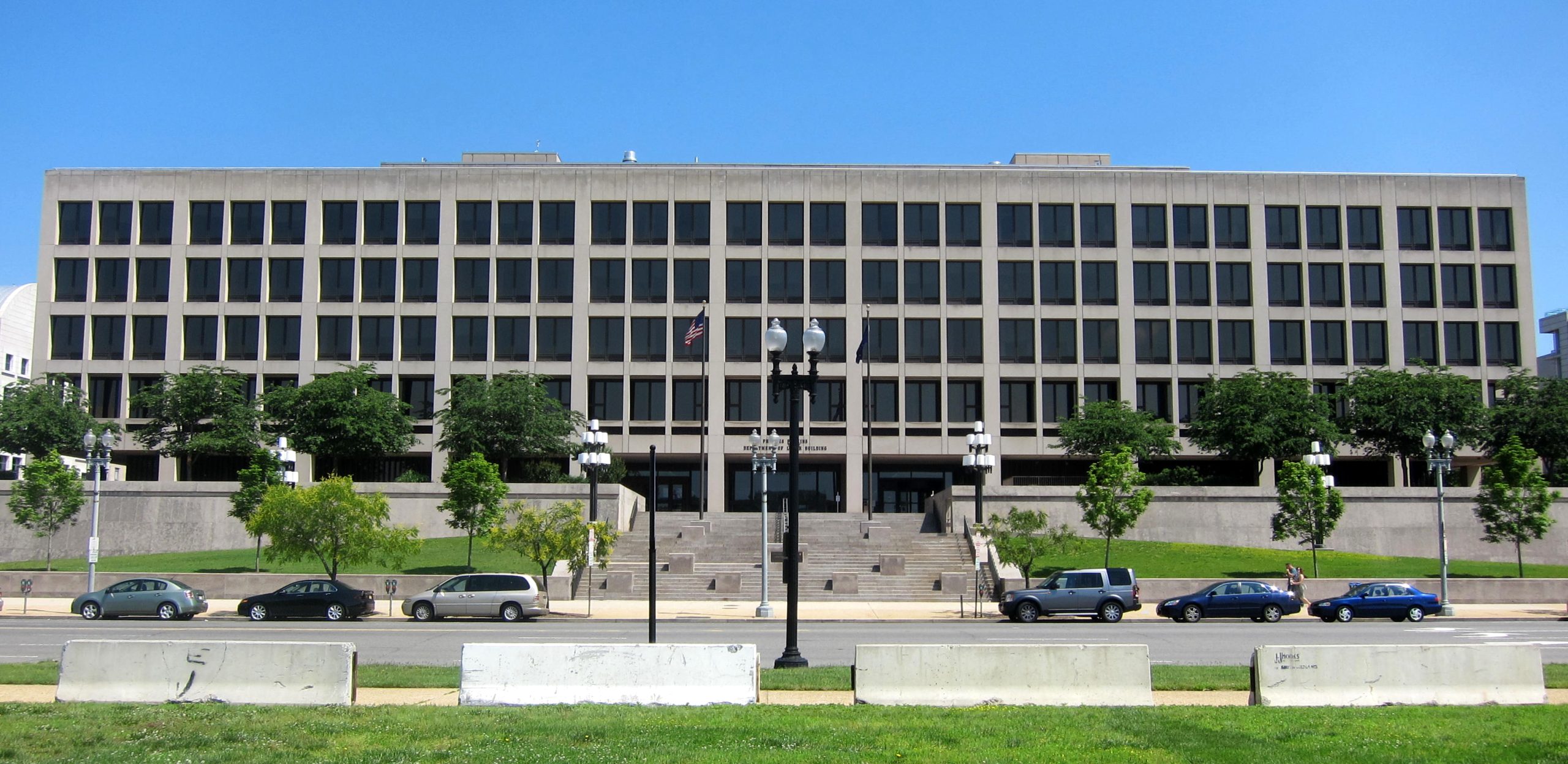



Summary of 2024: Navigating the Evolved Fiduciary Landscape for Retirement Plan Fiduciaries
2024 was a year of adaptation for retirement plan fiduciaries who navigated through regulatory changes, legal landscapes, and participant needs with a renewed focus on governance, liability management, and the holistic management of retirement plans.