We’ve seen more market mayhem in the past year than since the Great Depression. Old allegiances have come into question. Will the US Equity market remain the world standard? Can we really trust the bond markets? Swimming in all this uncertainty can leave the ERISA fiduciary rightfully concerned about the rising risk of liability. If one can’t use the old rules, what rules should the fiduciary employ?

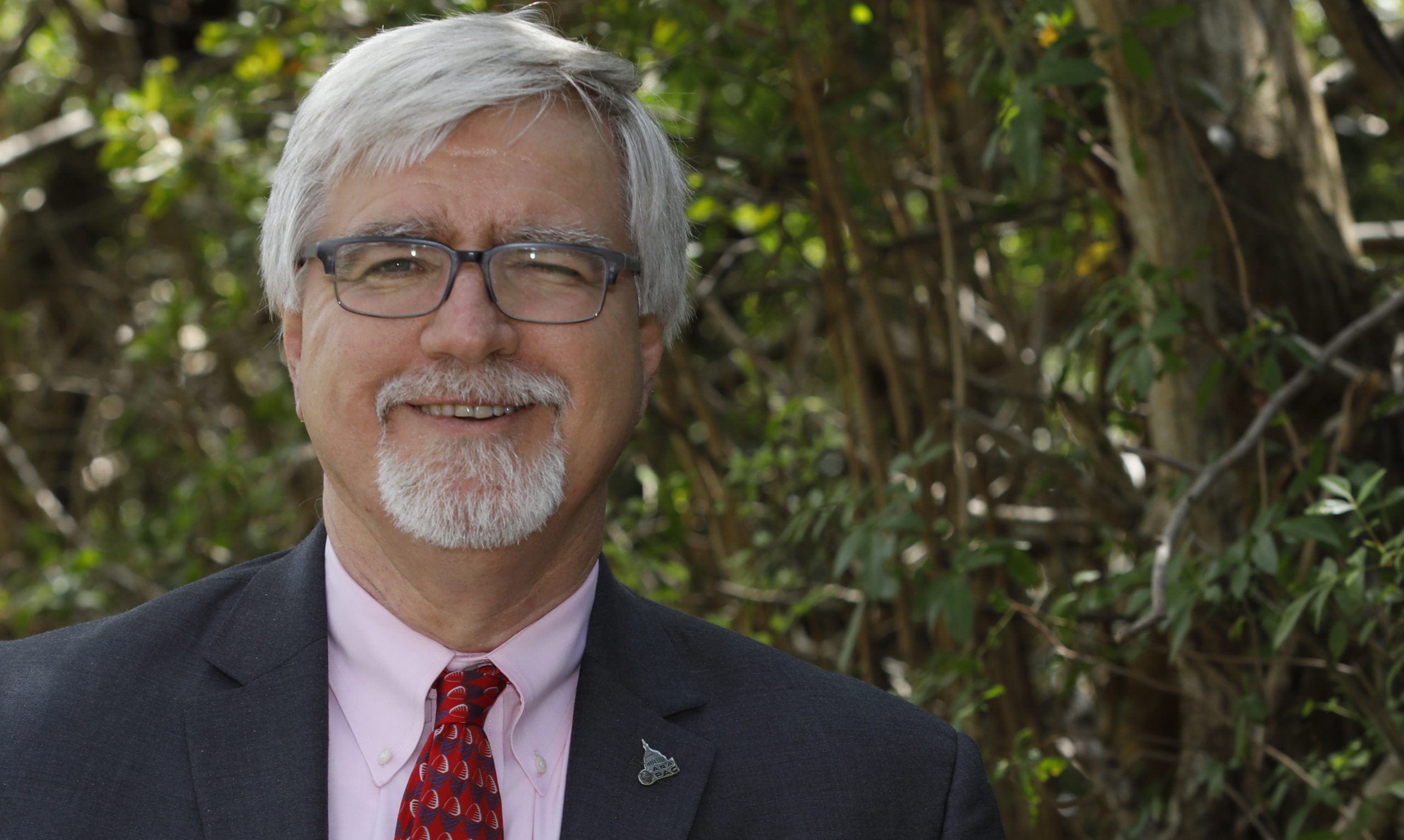
Anthony Welch, CFP ChFC and Ian Naismith, co-Founders of Sarasota Capital Strategies spend their days trading currencies through ETFs. They recently spoke at the 2009 Art of Indexing Summit in New York City. They recognize the value of treating currencies as one of the five asset classes (along with stocks, bonds, real estate and commodities).

Welch and Naismith list six advantages of currency trading:
- World’s largest asset class
- No credit risk
- Always a long/short pair
- Most liquid asset class
- Trades 24 hours a day
- Low correlation with other asset classes
When trading ETFs, the partners emphasize the importance of knowing what you own. Because of price volatility, especially in the more thinly traded ETFs, they suggest to watch your price – never trade at market and always use limits. They offer an example where one particular Australian currency ETF trades at a premium 66% of the time, while trading at a discount only 20% of the time. In general, emerging markets have more volatility, commodity G-10 currencies tend to display more volatility than European G-10 currencies and the US Dollar index generally has less volatility than any G-10 currencies. Finally, the two had this stark warning regarding the use of leveraged ETFs: they’re only good for a short period of time.
Why not simply buy the stocks & bonds of the country instead of the currency? Naismith claims the correlation between US equity markets and global markets has been high for the last 10 years, as a general rule. He added there used to be dissimilarities, but the more global we’ve become as an economy, the more lockstep the various equity markets have become.
The wildness of the equity markets and the uncertainty of our economic environment appears to be opening the eyes of the typical fiduciary to more exotic investments. While one might justify the use of non-correlative asset classes from a theoretical standpoint, the practical implication may mean greater potential liability. It remains wise to conduct a very thorough due diligence, include the determination as to the appropriateness of the investment, before proceeding. As Welch and Naismith state, the more leverage in the ETF, the more it becomes a day trading vehicle.