

QDIA
When Retirement Plan Leakage Never Leaves the System

That is the other side of the leakage equation. Keeping assets inside a plan may preserve an investment structure that benefits the former employee, but doing so can transfer costs, obligations and risks back to the employer.
What The Dot-Com Crash Still Teaches 401k Fiduciaries About The AI Stock Craze

ERISA does not require fiduciaries to predict market tops. It does, however, require a prudent process for selecting and monitoring investments.
What Happens When Everyone Starts Caring About Their 401k?

The long bull market has masked serious risk in target-date funds near retirement. When the next correction hits, participants who thought they were “protected” will wake up—angry—and demand change.
Why Doesn’t Anyone Care About Their 401k Anymore?

When participants assume alignment without verification, problems remain hidden until they are too large to ignore. Misalignment doesn’t announce itself—it compounds quietly, year after year.
401k New Year Opportunities
The calendar flipped to 2026, and with it came a fresh crop of 401k new year opportunities. Will this be the year 403(b) plans finally shed legacy costs, SECURE 2.0 provisions hit their stride, and markets remind participants that risk never really sleeps?
Top 401k Stories of Summer 2025: Crypto, Private Equity, Trump IRAs
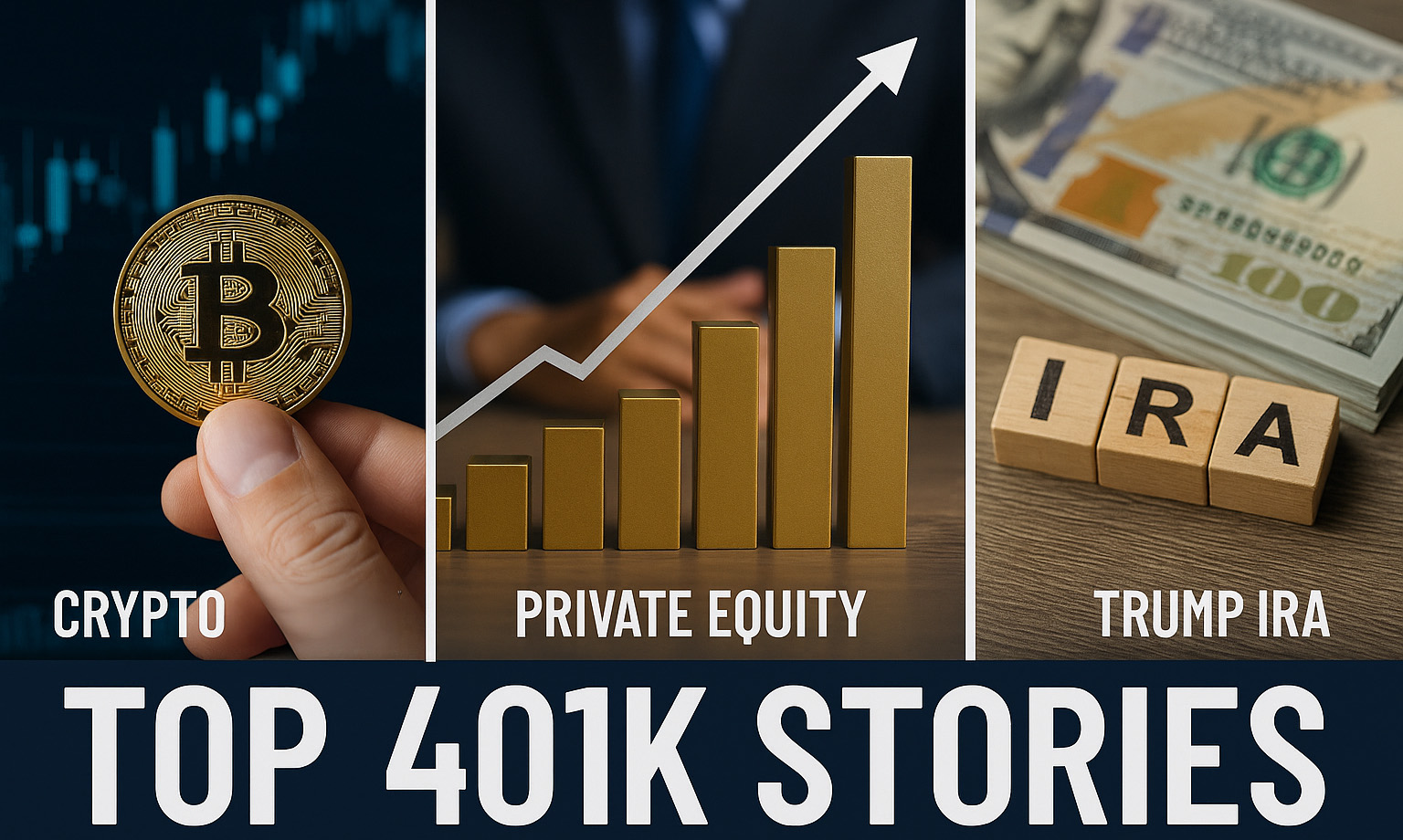
Such hesitation shifts the spotlight back to fiduciary fundamentals. New rules may widen the menu, but ERISA doesn’t relax the obligation to fully understand and monitor what’s offered.
Beyond Target Date Funds: How Tailored 401k Plan Design Strategies Keep Near-Retirees On The Right Path

For ERISA fiduciaries, the challenge is clear: move beyond the default, and design a 401k plan that truly serves the diverse needs of its participants. In doing so, you not only safeguard retirement incomes but also reinforce the trust placed in you by those relying on your expertise.
Impending SECURE Act 2.0 Auto-enrollment Requirement Prompts These Questions

Making matters worse is the changing regulatory environment once the new SECURE Act 2.0 rules become effective. The good news is the dust settles after that.
Community Links

Tags
Disclaimer
The materials at this web site are maintained for the sole purpose of providing general information about fiduciary law, tax accounting and investments and do not under any circumstances constitute legal, accounting or investment advice. You should not act or refrain from acting based on these materials without first obtaining the advice of an appropriate professional. Please carefully read the terms and conditions for using this site. This website contains links to third-party websites. We are not responsible for, and make no representations or endorsements with respect to, third-party websites, or with respect to any information, products or services that may be provided by or through such websites.