










In a strange twist of fate, it appears the newsweekly publication business model was closer to retirement in 2009 than the 401k.
Basic Members

Making matters worse is the changing regulatory environment once the new SECURE Act 2.0 rules become effective. The good news is the dust settles after that.
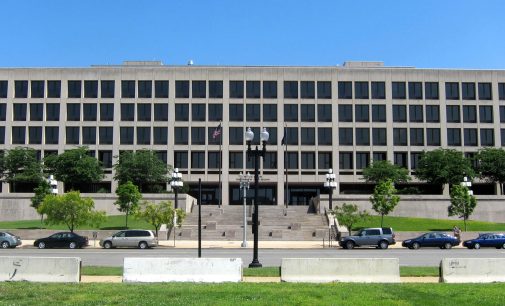
A lot may depend on who Trump selects to head up the DOL in his second term. If we start seeing familiar faces, that might indicate the department’s direction.

Honestly, I think most 401k plans are off-the-shelf items bought from the large asset management companies, purchased by executives who want to get rid of the vexing chore of setting up a retirement plan that benefits the employees.

Here the intent is to make it possible for a plan/IRA to apply the QDIA safe harbor to involuntary rollovers. But how will this impact plan participants?

The tangled web of ERISA regulations grows worse each year. Is this too much for companies responsible for maintaining 401k plans?

It’s tempting to turn your attention to your company, some academic theory, or even—hush!—“best practices.” The truth is, as a fiduciary, you only have one job.

This has been the most challenging of best practices. It has evolved over the years from “you can’t do that” to “you need to do that.” What does it take to make it better? Has the technology environment changed in such a way as to address long-standing obstacles.

Here’s the real conundrum faced by 401k plan sponsors: They realize they don’t have the expertise to administer the plan. So, what do they do? It’s only natural they do seek outside help for their retirement plan. The trouble is, not all third parties are created equal. But does the average plan sponsor know this?




Summary of 2024: Navigating the Evolved Fiduciary Landscape for Retirement Plan Fiduciaries
2024 was a year of adaptation for retirement plan fiduciaries who navigated through regulatory changes, legal landscapes, and participant needs with a renewed focus on governance, liability management, and the holistic management of retirement plans.