











The same challenge appears in required participant disclosures. Compliance may require sending documents, but sending documents does not guarantee that participants receive useful information.
Basic Members
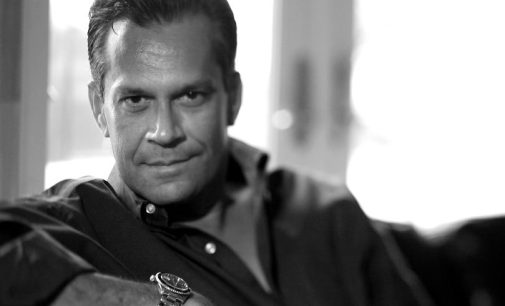
In my decades of experience, I have never encountered a pension fiduciary or board that fully understands the risks, costs, underperformance and performance vagaries related to alternatives and private investments.

Viewing this content requires a Basic (Free) Membership or better. You are not currently logged in. If you have an account, you may login below, or use the “Log In”

The reality is that many retirement planning decisions already require participants to evaluate concepts they may not fully understand. That reality raises an important question. Should a plan exclude a potentially beneficial option simply because some participants may find it difficult to understand?

Who will attend meetings? Who will prepare reports? Who will respond to participant questions? Who will provide investment recommendations? Who ultimately bears fiduciary responsibility?

That does not necessarily mean fiduciaries should expect a wave of new regulations. Existing direction may already point fiduciaries toward the safeguards regulators expect them to implement.

An employer should look at what they need to do to attract and maintain talent. Once a need is established, the employer must assess all the different technologies and services a 3(38) can provide.

ERISA does not require fiduciaries to predict market tops. It does, however, require a prudent process for selecting and monitoring investments.

Viewing this content requires a Basic (Free) Membership or better. You are not currently logged in. If you have an




What Advice Would The Founding Fathers Give On Saving For Retirement?
The retirement system itself has undergone a revolution. The Congress that oversees retirement policy today would have been unrecognizable to the men who signed the Declaration of Independence. ERISA, enacted in 1974, created a comprehensive fiduciary framework that would have been unimaginable to Franklin, Washington, Jefferson, or Hamilton.