

DOL
ESG, the DOL, and the Fiduciary Imperative

The most pertinent issue may not be the fiduciary imperative, but the marketing imperative. This makes things extremely difficult for the 401k plan sponsor who may sometimes confuse which has priority. Here’s an example of why a plan sponsor might be concerned.
Exclusive Interview: Phyllis Borzi on the SECURE Act, Target Date Funds, and “Discredited Disclosure”
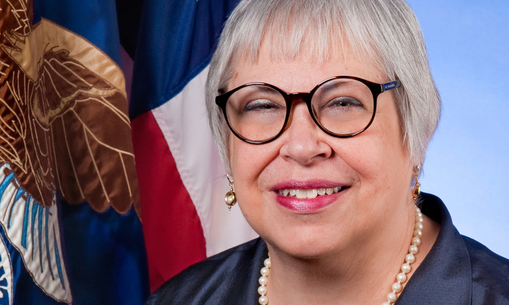
“That is one of the key weaknesses of the SEC’s Reg BI. It allows brokers to claim they are working in an investor’s best interest without being held to a legal duty of loyalty”
What is a 401k Investment Policy Statement (IPS)?

Although we’ve seen a broader acceptance of using an IPS, their use is by no means universal and particularly lacking among smaller employers. Perhaps there’s a realization that, if you don’t get the IPS right, you’ll only increase your liability.
Exclusive Interview: Skip Schweiss Says Public Today “Much More Aware” of Need to Work With Fiduciary

“Surveys show about half of investors don’t know how much they’re paying for advice, and about one in six think they pay nothing.”
How to Address Top Fiduciary Issues for Trade Associations Sponsoring 401k MEPs

It appears all but certain the floodgates will soon open wide, unleashing a torrent of trade association sponsored 401k MEPs. If you’re looking for the trigger that will open those floodgates, here’s what you should be paying attention to.
Exclusive Interview: Terrance Power Tells All About What’s Changed (and More!) With 401k MEPs

“401k Multiple Employer Plans (MEPs) are a solution for the small to mid-sized employer market that will lead to the expansion of retirement plan coverage for America’s workers.”
This is How 401k Plan Sponsors Get Education Answers to These Three F-Words

401k plan sponsors have a renewed focus on the three F-words of offering employee retirement benefits: Fiduciary, Fees, and Financial Wellness. Here’s how plan sponsors answer questions related to each of these three F-words.
What Will Replace “Fiduciary”?

Regulators (including the DOL) seem intent on splitting the baby in half by allowing two incompatible business models – one fiduciary with no self-dealing fees, the other non-fiduciary with conflict-of-interest fees – to coexist within the same market. Does this mean “fiduciary” has lost its inherent advantage?
Community Links

Tags
Disclaimer
The materials at this web site are maintained for the sole purpose of providing general information about fiduciary law, tax accounting and investments and do not under any circumstances constitute legal, accounting or investment advice. You should not act or refrain from acting based on these materials without first obtaining the advice of an appropriate professional. Please carefully read the terms and conditions for using this site. This website contains links to third-party websites. We are not responsible for, and make no representations or endorsements with respect to, third-party websites, or with respect to any information, products or services that may be provided by or through such websites.