









The calendar flipped to 2026, and with it came a fresh crop of 401k new year opportunities. Will this be the year 403(b) plans finally shed legacy costs, SECURE 2.0 provisions hit their stride, and markets remind participants that risk never really sleeps?
Tag "TDF"

The broader plan-design conversation, including “Beyond Auto-Mania,” shows a shift from simple auto-features to guided, retirement-readiness approaches. That trajectory supports treating embedded income as part of a holistic, user-friendly design rather than a fringe option.

Not all impactful changes come from courtrooms or market forecasts. Sometimes the quietest adjustments happen in the administrative framework of retirement plans. This summer, two such moves stood out as underreported 401k stories that carry both promise and peril for fiduciaries.
By proactively addressing these critical 401k plan sponsor questions, sponsors can enhance their plans, protect participants, and shield themselves from unnecessary fiduciary exposure.

Here’s where the real disconnect kicks in: participants and pros don’t speak the same language on risk. Participants “feel” it. Meanwhile, advisers whip out rulers like standard deviation or some index, measuring volatility in neat little boxes.

Here the intent is to make it possible for a plan/IRA to apply the QDIA safe harbor to involuntary rollovers. But how will this impact plan participants?
If you have any experience in the retirement plan business, some predictions just write themselves. As in “an incredible feeling of déjà vu.”
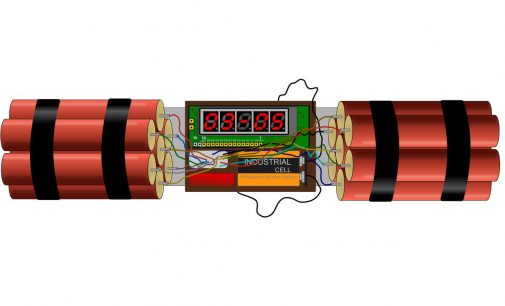
There might be a there, there. It could be that TDFs have an Achilles’ Heel that leaves them vulnerable.
The conflicts-of-interest inherent in selecting proprietary funds are apparent. Less so are the criteria used to determine what a suitable process might be.







What Happens When Everyone Starts Caring About Their 401k?
The long bull market has masked serious risk in target-date funds near retirement. When the next correction hits, participants who thought they were “protected” will wake up—angry—and demand change.