











Viewing this content requires a Basic (Free) Membership or better. You are not currently logged in. If you have an account, you may login below, or use the “Log In”
Tag "Terry Morgan"

Seasoned advisors caution plan sponsors not to confuse delegation with disappearance. Every fiduciary duty can be shared. None can be erased.
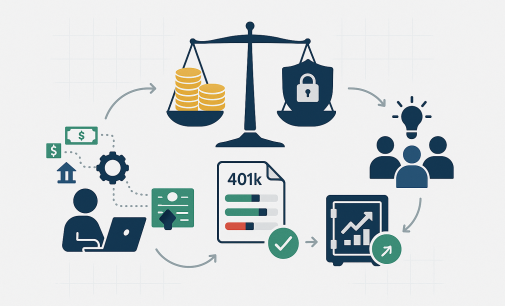
The key is embedding quantitative prompts inside onboarding experiences so participants perceive personalization while fiduciaries collect the data they actually need.

Risk capacity anchors 401k advice in hard data—income stability, net worth, liquidity, and retirement timeline. Unlike tolerance, which shifts with market moods, capacity reflects what participants can afford to lose, aligning with ERISA’s fiduciary duties.

It’s tempting to turn your attention to your company, some academic theory, or even—hush!—“best practices.” The truth is, as a fiduciary, you only have one job.

Here’s the real conundrum faced by 401k plan sponsors: They realize they don’t have the expertise to administer the plan. So, what do they do? It’s only natural they do seek outside help for their retirement plan. The trouble is, not all third parties are created equal. But does the average plan sponsor know this?

Herein lies the potential for a direct conflict of interest. This applies generally to all proxy voting in commingled portfolios.

On the face of it, American Airlines seemed to follow its documented process. So, what did the company do wrong?

The process of transferring assets is not without its own liabilities. The exact nature of the fiduciary risk depends on the nature of the transfer.




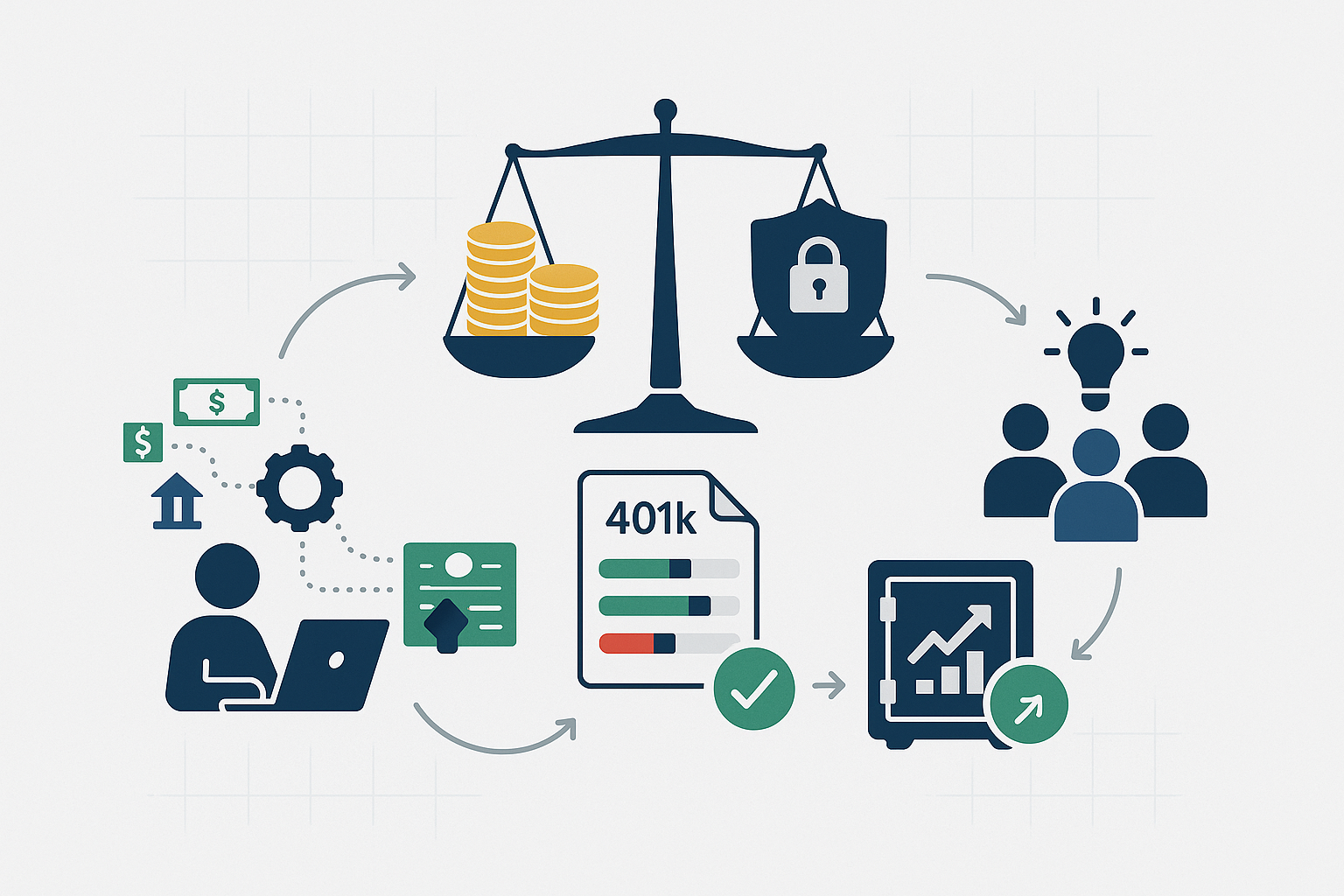






Why Doesn’t Anyone Care About Their 401k Anymore?
When participants assume alignment without verification, problems remain hidden until they are too large to ignore. Misalignment doesn’t announce itself—it compounds quietly, year after year.